Where and how do we look for signs of life? I work on developing and validating the instruments, datasets, and analytical frameworks needed to confidently detect biosignatures, whether on Mars, on ocean worlds, or on Earth. I also work with diverse organisms that push the limits of our understanding of life, focusing on the pivotal transition when biology turns into geology.


For the past five years, I’ve been a key developer of the Statistical Classification of Biosignature Information (SCOBI) database: an open-access, standardized, multi-technique dataset designed to improve confidence in biosignature detection through machine learning. The project curates and co-registers elemental, isotopic, reflectance, and Raman data from known biological and abiological samples, building the training sets needed for statistical classification of biosignatures. I focus on spectral data processing pipelines, data standardization, and curation. This work has been presented at AbSciCon, LPSC, and AGU since 2021. The SCOBI database will be an open-access resource for the astrobiology community and hosted on the Open Data Repository.
A follow on project, Advancing Multi-Messenger Biosignature Techniques with Machine Learning, is ongoing and is supported by a 5-year NASA ICAR award ($4.96M total, $245k for my work as co-I) .
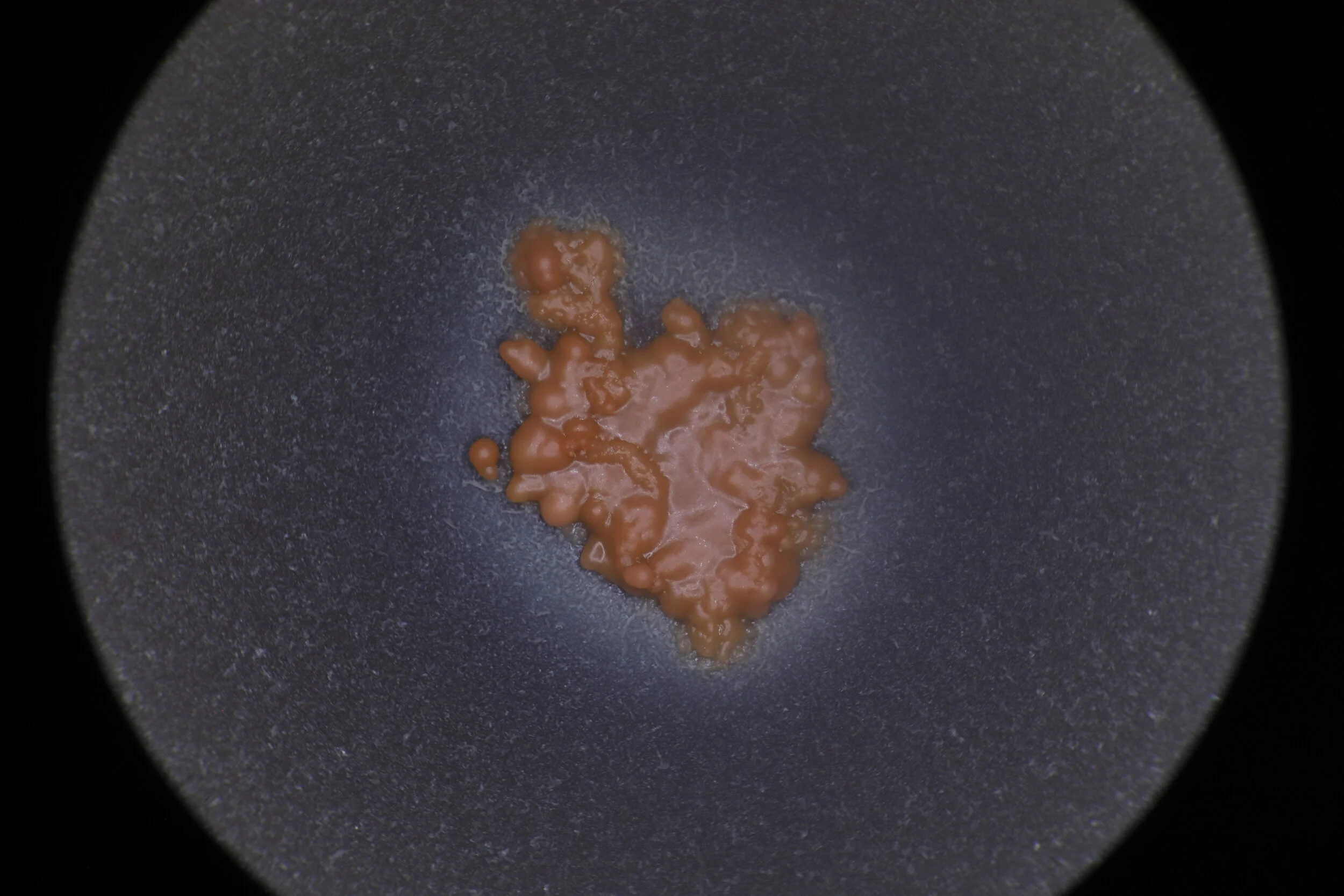
Pigments are among the most widespread and detectable products of life. As Science PI on a $310k JPL internal research grant, I led a program investigating microbial pigments and their degradation products as potential biosignatures for life detection missions. This included deep UV Raman spectroscopy of carotenoids, work with halophilic archaea and extremophilic cyanobacteria under simulated extreme environments, and characterizing how pigment signatures change under degradation.
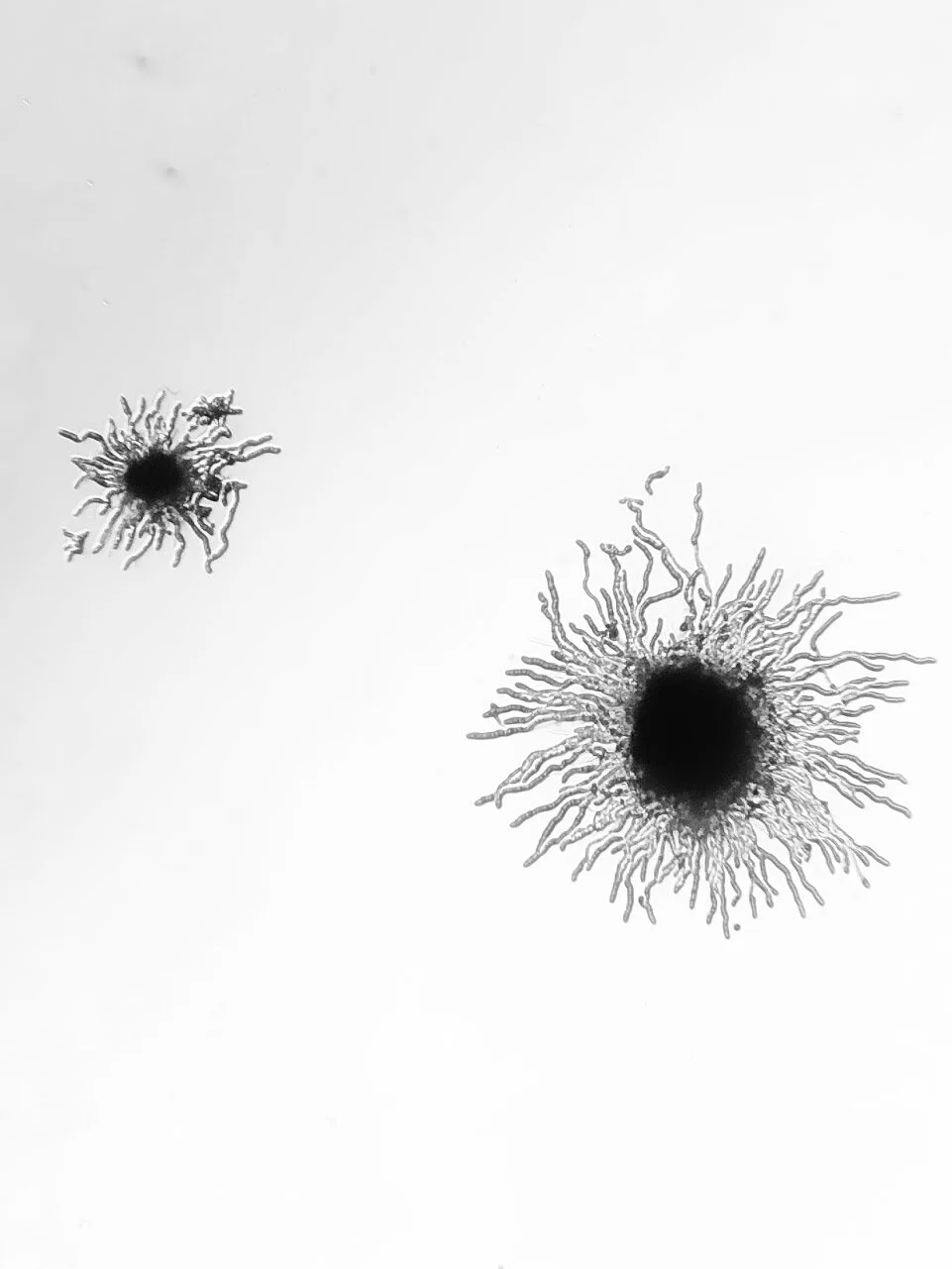
I co-convened the session "Data-driven Astrobiology: Integrating the Foundations for AI and ML" at AbSciCon 2026, and I'm a co-author on a submission to the NASA DARES RFI on the Astrobiology Data Ecosystem, Open Science, and the AI Era. My interest here is practical: as someone who builds both the instruments and the analysis pipelines, I care about whether computational tools are actually improving our ability to detect life, or just producing confident answers that haven't been adequately tested. As a biologist who has worked across domains of life, I’m interested in atypical representations of life and agnostic signatures or anomalies that could be better detected with advanced pattern finding.
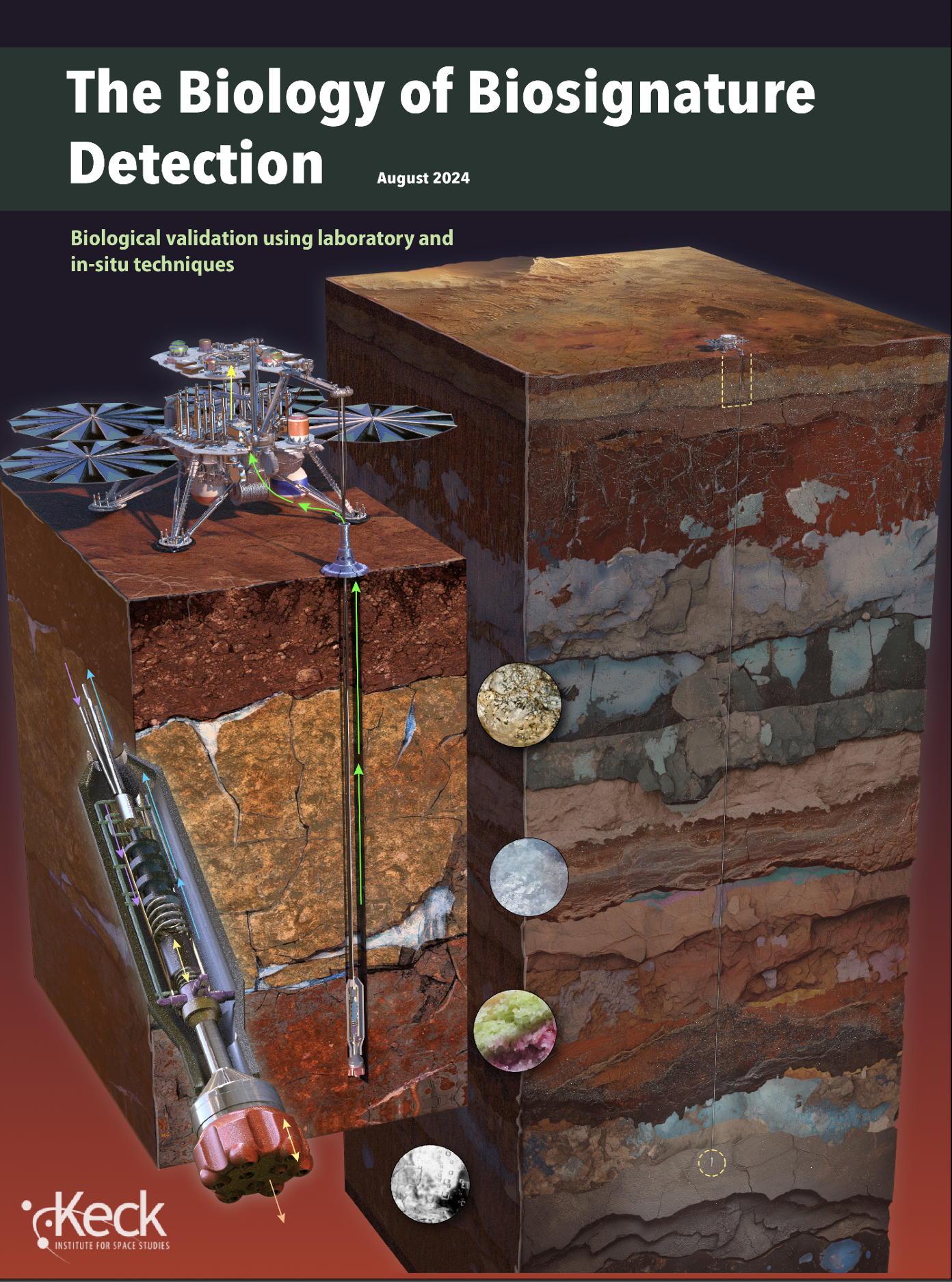
I was a participant in the Keck Institute for Space Studies (KISS) workshop on Biology of Biosignature Validation (2023-2024), working with a multidisciplinary group to develop experimental frameworks for validating extant and extinct life measurements. I've contributed to white papers on biological validation experiments for Mars shallow subsurface life detection, and I was invited to join the Mars Sample Return planning group and the Raman Geobiology group at JPL. I'm a member of the NASA Network for Life Detection, was part of the PI Launchpad 2023 cohort, and the Communicating Discoveries for Search for Life in the Universe workshop. I am also involved in efforts for future in situ instrument develop and mission concepts.